


Topical Numbing in PMU:
What’s Legal, What’s Common, and
What You Should Know
Topical numbing is part of everyday life in permanent makeup (PMU) and microblading. Artists and clients alike want treatments to be as comfortable as possible — and products like Pink Cream, Pink Gel, TAG #45, and Ultra Duration are now industry staples.
But while these numbing products are widely used by professional PMU suppliers, it’s important to understand where the law actually stands, why council guidance can seem confusing, and what’s really happened in enforcement terms.
The Legal Framework
In the UK, topical anaesthetics (numbing creams, gels, or sprays) are classed as medicines.
They fall under the Medicines Act 1968 and the Human Medicines Regulations 2012.
In short:
Numbing creams aren’t illegal — but who applies them and how they’re supplied is where the legal risk lies.
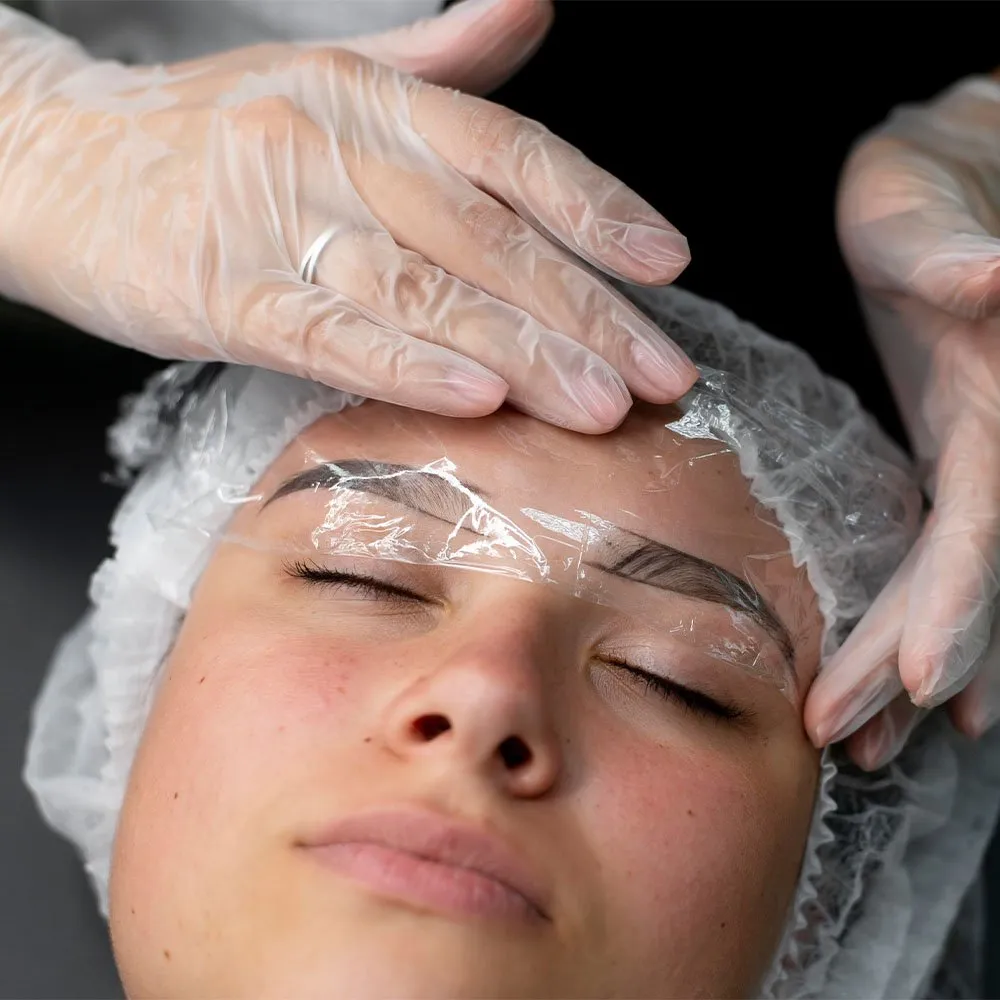
Licensed Vs Unlicensed Numbing Products
Licensed (Pharmacy) Products
These are fully regulated and approved by the MHRA:
These products have clear safety data, patient leaflets, and batch traceability. They are pharmacy-only medicines, available for personal use but not for salon application when sold by pharmacies.
Unlicensed but Widely Used in PMU
Across the permanent makeup and microblading industry, it’s common to see:
These are unlicensed in the UK, yet widely used by professional PMU artists.
Their use is common practice, and there are currently no known prosecutions against PMU artists for using or applying these types of products responsibly.
Important:
“Unlicensed” doesn’t mean “illegal.” It means the product hasn’t gone through the MHRA’s licensing process.
What “Unlicensed” Actually Means
You’ll often hear PMU and microblading products like Pink Cream, Pink Gel, TAG #45, and Ultra Duration and other numbing products described as unlicensed.
That simply means:
The product has not been officially approved by the UK’s Medicines and Healthcare products Regulatory Agency (MHRA) as a medicine.
In practice:
“Unlicensed” doesn’t mean unsafe — it simply means not approved as a medicine.
These products occupy a grey area that’s widely tolerated in PMU, provided they’re used professionally, safely, and responsibly.
Some of the numbing formulations include additional vasoconstrictors such as epinephrine to help minimise redness and swelling. UK professionals should always ensure any products they use are compliant with local guidance and suitable for cosmetic application
What “Off-Label” Use Means in PMU and Aesthetics
You’ll often hear that products such as EMLA, LMX4, and Ametop are used off-label in permanent makeup, microblading, and aesthetics — and that’s generally true.
“Off-label” simply means that a licensed medicine is being used in a way not specifically covered by its MHRA licence.
That might include:
How Off-Label Use Is Viewed by the MHRA
The MHRA (Medicines and Healthcare products Regulatory Agency) allows off-label use under professional judgement — meaning that:
For example:
A PMU artist may allow a client to self-apply EMLA Cream before treatment, even though it’s not specifically licensed for cosmetic tattooing. This would be considered off-label use, but is generally tolerated when carried out safely and with informed consent.
In Practice for PMU Artists
In short:
Using a licensed “P” numbing cream off-label for PMU or microblading is legally acceptable in the UK — but the responsibility rests with the practitioner to ensure it’s used safely, ethically, and within local authority and insurer guidance.

Who to Ask for Clarity:
Local Authority or Trading Standards?
Because rules vary across the UK, PMU artists should always check their local authority’s stance on topical numbing.
Your Environmental Health department is responsible for licensing your premises and inspecting treatment practices. They interpret national medicines law locally and will advise whether they allow client-applied numbing or practitioner use.
If you’re unsure about the products themselves — for example, whether Pink Cream is acceptable to use — contact your Trading Standards team. They can confirm how the products are viewed locally.
Tip:
Always ask for written advice or confirmation. Keeping this documentation shows due diligence and can help protect your business during inspections.
In summary:

What Local Councils and Insurers Say
Across the UK, local councils take varying positions on the use of topical numbing products within permanent makeup, microblading, and aesthetics treatments.
While some councils refer strictly to medicines legislation, many Environmental Health teams take a practical, risk-based view — recognising that topical anaesthetics are a normal part of professional PMU practice and that the priority is client safety, hygiene, and product control rather than prohibition.
In many areas, trained and certified PMU and aesthetics professionals are permitted to:
Environmental Health Officers in these councils typically focus on ensuring:
Insurers, likewise, often accept the use of licensed and unlicensed numbing products as long as they are:
In practice:
Many UK councils recognise that unlicensed topical anaesthetics are a standard industry tool in permanent makeup and microblading. Their emphasis is on safe usage, documentation, and compliance, not banning the products altogether.
The safest route is still to get written confirmation from your own local authority or Trading Standards department and follow their advice exactly — this demonstrates due diligence and keeps your practice compliant.
Have There Been Any Prosecutions?
To date, there are no publicly known prosecutions in the UK against PMU or microblading artists for using or applying low-strength numbing products such as Pink Cream, Pink Gel, TAG #45, or Ultra Duration.
The MHRA’s enforcement mainly targets:
So while using unlicensed products carries a theoretical legal risk, individual practitioners using low-strength topical creams are not the focus of enforcement — provided their products are safe and correctly described.
Safe and Realistic Practice for PMU Artists
Professional PMU artists and microblading specialists can manage compliance easily by following a few key steps:
Advise clients that they can purchase their own numbing cream from a pharmacy (such LMX4 or EMLA) and self-apply before their appointment.
Record the product used, when it was applied, and who applied it. Keep this on the client consent form.
Avoid high-strength products (more than 5% lidocaine) or those containing epinephrine, which attract MHRA attention.
Avoid describing any product as medical-grade or anaesthetic in your marketing.
Ensure your insurance policy covers client-applied or professional-use numbing products.
KEY TAKE AWAYS
Topical numbing creams and gels are used widely across the permanent makeup, microblading, and aesthetics industry for client comfort.
Licensed products — such as EMLA, LMX4, and Ametop — are pharmacy-only medicines (P) that are fully approved by the MHRA. These can be purchased by clients for personal use but should not be supplied or applied by practitioners.
Unlicensed products — like Pink Cream — are not licensed medicines, but are commonly used by trained and certified professionals within the PMU and aesthetics industry. They must be sourced responsibly, clearly labelled, and handled professionally.
Many local councils and insurers now take a pragmatic approach, allowing the safe use of unlicensed numbing products by trained professionals, provided hygiene, consent, and documentation are in place.
Some international numbing products include vasoconstrictors like epinephrine to help control bleeding, but UK professionals should only use epinephrine-free options that meet local safety and compliance standards.
Always check your local authority or Trading Standards guidance in writing, and follow it exactly — this shows due diligence and keeps your business compliant.
Never advertise or describe unlicensed products as “medical”, and always include a professional-use disclaimer.
Explore Professional
Use Comfort Products
For trained and certified professionals in the permanent makeup, microblading, and aesthetics industry, Body and Brows supplies a range of professional-use numbing products designed to support comfort and precision during treatment.
⚖️ Compliance & Safety
These products are intended for use by trained and certified professionals within the permanent makeup, microblading, and aesthetics industry.
They are not licensed medicines.
Always follow your local authority, Trading Standards, and insurer guidance before use.
All items are genuine products, sourced directly from official suppliers or manufacturers to ensure authenticity and safety.

Alice Kingdom is a well known permanent makeup trainer, and international speaker.
If you would like more information about the contents of this article, or about how to make pigment choices we would love to hear from you!
⚖️ Disclaimer
The information provided in this article is for educational and informational purposes only. It is not intended as legal advice, medical guidance, or a substitute for your own research and due diligence.
Readers are encouraged to consult their local authority, Trading Standards, insurer, and professional body to confirm current regulations before using or supplying any numbing or topical products.
Body and Brows accepts no liability for actions taken based on this information. Always ensure your practices align with local legislation, professional certification, and industry compliance requirements.